inspired poem written after the first step up event in 2006
A Church with No Walls
A church with no walls for all to see, has now become a place for us to dream. To gaze beyond the walls of stained-glass windows and experience something new, or a dream may die and be left to dwindle.
A church with no walls for us to see — you see, it is the place we were meant to be: In the garden with the Divine, to create and design. but something happened one day that took this God-given privilege away.
The journey we now take Is back to this garden, God has now made it possible through His Son, Jesus Christ, listen to His story of the prodigal.
And it is now in this garden where He waits in eager expectation for His sons and daughters to sing one song in harmony, that agrees— this church with no walls Is meant for you and is meant for me.
© 2024 Chris O’Connor. All Rights Reserved
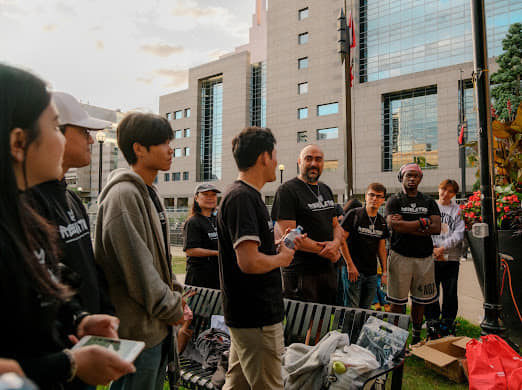
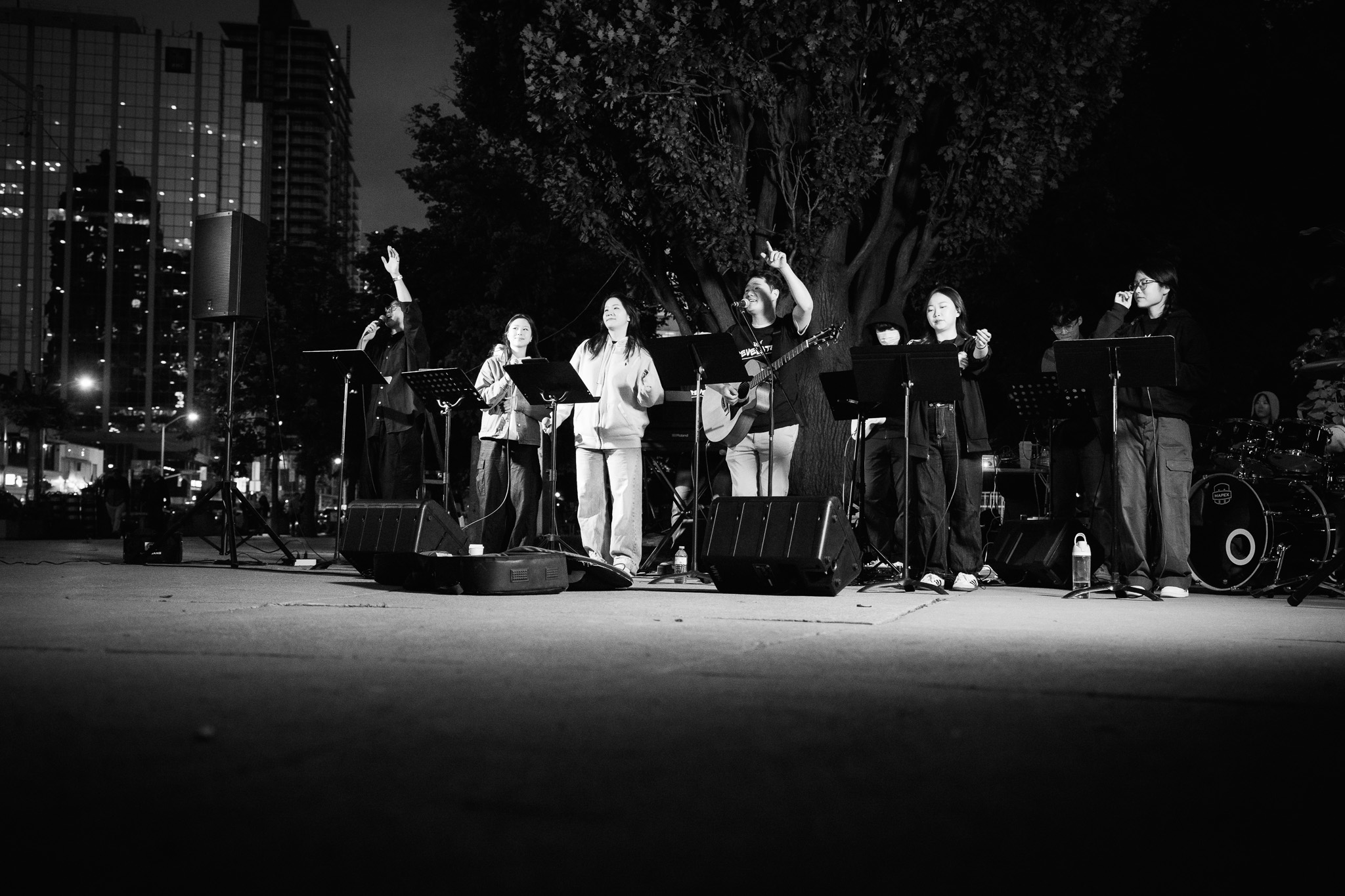
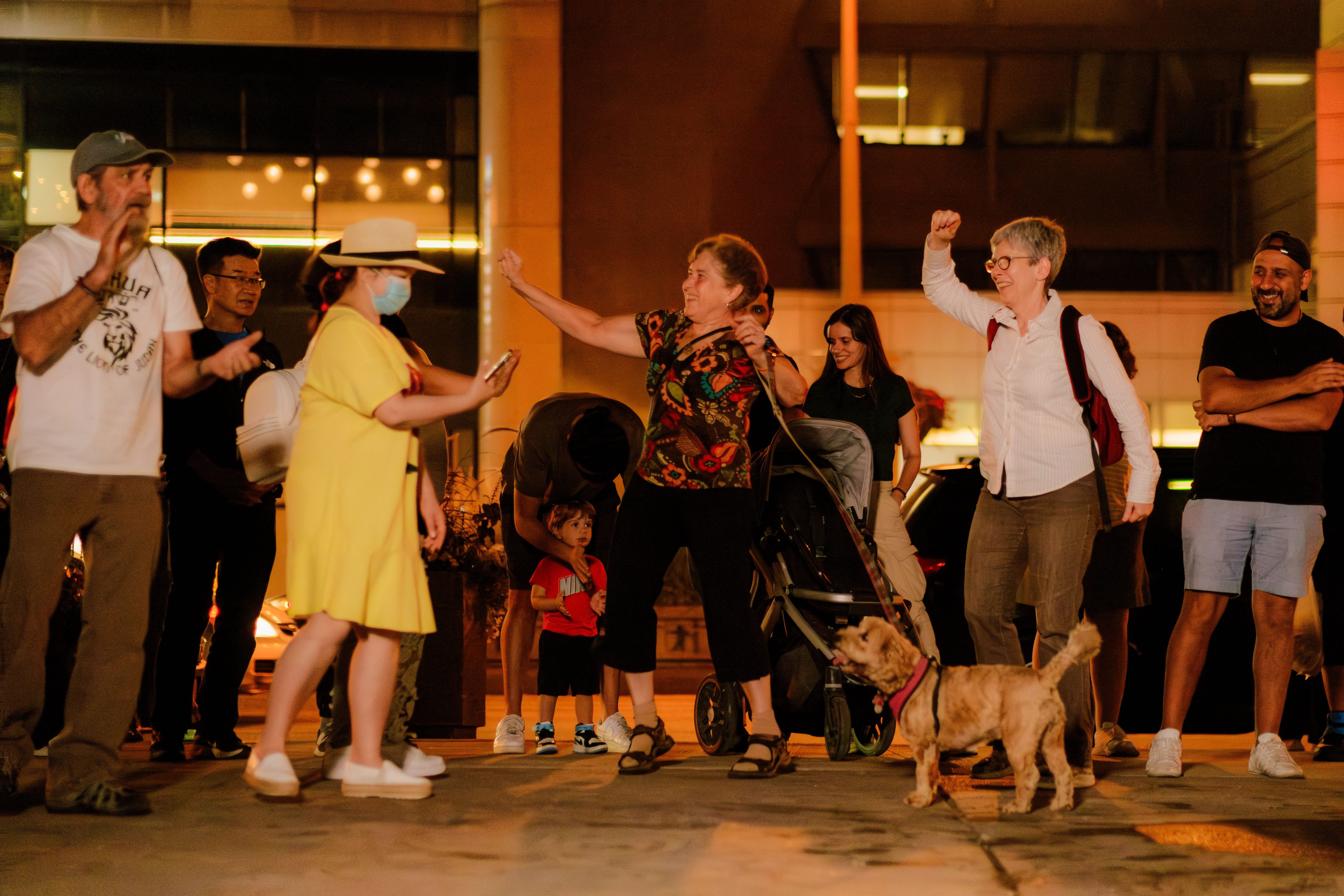
This poem is a reminder that, through the redeeming work of God accomplished through His Son Jesus Christ, believers are on a journey back to a restored Garden of Eden — a restoration of fellowship with God, life, peace, and purpose as originally intended by the Creator. A Church With No Walls reflects the calling given to every follower of Christ: to go beyond the four walls of the church and share the Gospel with the world. Jesus commissioned His people to make disciples of all nations, bringing the message of salvation, hope, and spiritual renewal to others. The poem also emphasizes the importance of living out the love of Christ in our daily lives — serving our communities, caring for one another, and demonstrating God’s compassion both inside and outside the church. It is a call for believers to become the living hands and feet of Jesus in a world that is searching for truth, healing, and redemption. The poem was written following the first Step Up event in 2006 and a visit to St. George the Martyr Anglican Church in Toronto.
A Divine Plan for Redemption
After Adam and Eve fell from grace and lost their harmonious relationship with God—and their place in the Garden of Eden (Genesis 3)—God immediately revealed His plan of redemption. This plan was not only for Adam and Eve, but for the entire human race: a promise to restore humanity to right relationship with Himself and ultimately to a restored garden.
The First Gospel Promise
Genesis 3:15 contains the first proclamation of the Good News—the protoevangelium, the first gospel. “And I will put enmity between you and the woman, and between your offspring and hers; he will crush your head, and you will strike his heel.” This verse reveals God’s redemptive plan in seed form. The crushing of the serpent’s head is God’s declaration of the decisive and final defeat of Satan—the enemy who used the serpent to deceive Adam and Eve, bringing sin and death into the world. Since that moment, humanity has existed in a fallen state, separated from God and hostile toward Him. The striking of the heel points forward to the suffering of Jesus Christ—His blood atonement. Through this atoning sacrifice, God deals with humanity’s sin once and for all. The word atonement itself speaks of being made “at one” again—reconciled to God and restored to loving fellowship with Him.
“For God so loved the world that he gave his only begotten Son, that whosoever believeth in him should not perish, but have everlasting life.”
John 3:16
The crushing of the serpent’s head is God’s declaration of the decisive and final defeat of Satan. The striking of the heel points forward to the suffering of Jesus Christ—His blood atonement. Through this sacrifice, God deals with humanity’s sin once and for all, reconciling us into loving fellowship with Him.
Jesus Christ: The Second Adam
- Jesus Christ, who existed in eternity past with the Father (John 1:1), the Son of God who is Himself God, willingly condescended—taking on flesh and entering the world.
- He came as the perfect representative for mankind to undo the work of Satan and bring about the promised victory.
- Referred to as the second Adam, Jesus succeeded where Adam failed. Where Adam disobeyed God at a tree and brought sin to many, Jesus obeyed the Father, laid down His life on a tree, and made many righteous.
- Jesus was crucified, died, was buried, and rose again on the third day—demonstrating God’s absolute dominion over sin and death.
- Through His perfect obedience and resurrection, those who were dead in their sins and living in the kingdom of darkness are transferred into the Kingdom of God’s beloved Son (Colossians 1:13).
- This is the Good News God desires the world to know. The apostle John beautifully summarizes it: “For God so loved the world that he gave his only begotten Son, that whosoever believeth in him should not perish, but have everlasting life.” (John 3:16)
- This is how God foils Satan’s plans that brought sin and death into the world—through simple belief in His Son, Jesus Christ, and the promise of eternal life found in Him.
Mel Lastman Square: A Living Picture
- Mel Lastman Square is a fitting and powerful venue to proclaim this Good News. The glistening water flowing from the fountain on the east side of the square—beginning near Yonge Street and traveling through the center toward the west—mirrors the biblical imagery of life, restoration, and renewal.
- Trees lining both sides of the water evoke the garden imagery that runs throughout Scripture. The apostle John recalls Jesus’ use of water imagery to teach that salvation cannot be found through human effort or relationships, but only through the living water He provides (the Woman at the Well, John 4).
- Likewise, salvation cannot be achieved by human means, but requires being born of the Spirit and water (Nicodemus, John 3). In the Book of Revelation, this water imagery is no longer metaphorical—it becomes reality for those redeemed through Christ.
- As stated in Revelation 22:1-2: “Then the angel showed me the river of the water of life, as clear as crystal, flowing from the throne of God and of the Lamb down the middle of the great street of the city. On each side of the river stood the tree of life, bearing twelve crops of fruit, yielding its fruit every month. And the hives of the tree are for the healing of the nations.”


.jpeg)